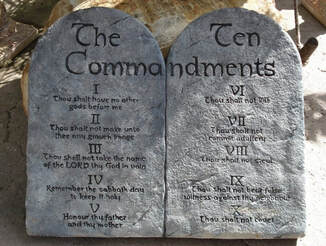
Are Christians Supposed to Keep the Ten Commandments Today?
Many believers today speak confidently about grace while quietly setting aside the very commandments God wrote with His own finger. Yet the New Testament never treats obedience as optional, cultural, or outdated. When Jesus and the apostles spoke about God’s law, they did so with urgency, clarity, and authority — not hesitation. The real question is not whether the commandments have changed, but whether our hearts have. Scripture confronts us with a simple, unavoidable truth: God has not lowered His standard of holiness, and the call to obey Him has not faded with time. If we claim to follow Christ, we must face what the Bible actually says about the Ten Commandments — and whether we are willing to submit to it.
This study walks through the teachings of Jesus, the apostles, and the early church to show clearly whether the Ten Commandments still apply to Christians today.
What does the Bible actually say about keeping God’s commandments?
The Bible consistently connects love for God with obedience to Him. This theme appears throughout both Testaments and is foundational to understanding Christian discipleship.
1 John 2:3–4 — “And hereby we do know that we know him, if we keep his commandments. He that saith, I know him, and keepeth not his commandment, is a liar, and the truth is not in him.”
John makes it unmistakably clear: obedience is evidence of knowing Christ. A person who claims to know God but refuses to obey Him is deceiving himself.
1 John 5:2–3 — “By this we know that we love the children of God, when we love God, and keep his commandments. For this is the love of God, that we keep his commandments: and his commandments are not grievous.”
According to Scripture, keeping God’s moral law is not burdensome—it is the natural expression of love for Him.
Even Paul, often misunderstood as being “against the law,” taught the opposite:
Romans 3:31 — “Do we then make void the law through faith? God forbid: yea, we establish the law.”
Faith does not cancel God’s law. Faith establishes it. The New Testament writers consistently affirm that obedience to God’s moral standard is central to Christian living.
Did Jesus teach that Christians must keep the Ten Commandments?
Yes. Jesus repeatedly affirmed the importance of keeping God’s laws. He did not abolish them—He magnified them, clarified them, and taught their true spiritual meaning.
Jesus tied love directly to obedience
John 14:15 — “If ye love me, keep my commandments.”
John 14:21 — “He that hath my commandments, and keepeth them, he it is that loveth me…”
Jesus did not separate love from obedience. He defined love by obedience.
Jesus kept the commandments and taught others to do the same
John 15:10 — “If ye keep my commandments, ye shall abide in my love; even as I have kept my Father’s commandments, and abide in his love.”
Jesus kept God’s moral standard and expects His followers to do likewise.
Jesus affirmed the Ten Commandments when asked about eternal life
Matthew 19:16–17 — “Good Master, what good thing shall I do, that I may have eternal life? … If thou wilt enter into life, keep the commandments.”
Jesus then listed several of the statutes, showing clearly which of the 10 He meant.
Jesus never taught that the ten statutes were temporary, optional, or abolished. Instead, He upheld them as God’s eternal moral standard and called His followers to obey them from the heart.
Do the apostles teach commandment keeping after salvation by grace?
Many Christians believe that because we are saved by grace, obedience to God’s literal eternal moral standard is no longer required. But the apostles consistently taught that grace leads to obedience—not freedom to sin.
John taught that obedience is the evidence of knowing Christ
1 John 2:3–4 — “And hereby we do know that we know him, if we keep his commandments. He that saith, I know him, and keepeth not his commandments, is a liar…”
John does not say obedience saves us. He says it reveals whether we truly know Christ.
John taught that love for God is expressed through obedience
1 John 5:2–3 — “For this is the love of God, that we keep his commandments: and his commandments are not grievous.”
Obedience is not legalism. It is love.
Paul taught that faith establishes the law
Romans 3:31 — “Do we then make void the law through faith? God forbid: yea, we establish the law.”
Paul rejects the idea that faith cancels God’s eternal moral standard. Instead, faith upholds it.
Paul taught that the law defines sin
Romans 7:7 — “I had not known sin, but by the law…”
If all 10 statutes were abolished, sin would have no definition. But sin still exists—therefore God’s they still stand.
James taught that the Ten Commandments are one unified law
James 2:10–11 — “For whosoever shall keep the whole law, and yet offend in one point, he is guilty of all…”
James quotes directly from the Ten Commandments (“Do not commit adultery,” “Do not kill”) and calls them the “royal law” (James 2:8) and the “law of liberty” (James 2:12).
The apostles never taught that Christians are free from obedience. They taught that Christians are free from the penalty of the law, not the statutes themselves.
Were any of the 10 royal laws abolished in the New Testament?
Some Christians believe they were “nailed to the cross,” but this idea comes from misunderstanding Paul’s writings. The Bible makes a clear distinction between the kinds of law:
- Moral — the Ten Commandments, written by God’s finger
- Ceremonial — sacrifices, rituals, ordinances, and temple laws
The ceremonial ordinances pointed forward to Christ and ended at the cross. The moral statutes reflects God’s character and never changes.
What was actually nailed to the cross?
Colossians 2:14 — “Blotting out the handwriting of ordinances that was against us… nailing it to his cross.”
Paul refers to “ordinances”—Greek dogma—which always refers to man‑made rules or ceremonial regulations, never God’s eternal moral standard .
The Ten Commandments were not “handwritten” by Moses. They were written by the finger of God (Exodus 31:18).
Jesus said He did not come to abolish the law
Matthew 5:17 — “Think not that I am come to destroy the law…”
Jesus did not abolish God’s eternal moral standard, He fulfilled it by living it perfectly and teaching its true spiritual meaning.
Paul taught that the law is holy, just, and good
Romans 7:12 — “Wherefore the law is holy, and the commandment holy, and just, and good.”
Paul would never call something “holy, just, and good” if it had been abolished.
The Royal Law given to Moses is God’s eternal moral standard
They reveal God’s character:
- God is truthful → “Do not bear false witness”
- God is faithful → “Do not commit adultery”
- God is holy → “Do not take His name in vain”
- God is Creator → “Remember the Sabbath day”
God’s character does not change, therefore His God’s eternal moral standards do not change.
No New Testament writer ever abolished the Ten Commandments. No apostle ever taught Christians to ignore them. No Scripture ever cancels them.
The idea that the Ten Commandments ended at the cross is based on tradition, not the Bible.
Does Paul teach that Christians are free from the all the legal statutes and dozens of ordinances given to Moses?
Paul is often misunderstood as teaching that Christians are no longer required to obey God. But when his writings are read in context, Paul consistently upholds the 10 Royal Laws as God’s moral standard.
Paul taught that Christians are free from the penalty of disobedience, not the law itself
Romans 6:14 — “For sin shall not have dominion over you: for ye are not under the law, but under grace.”
Many interpret this to mean Christians no longer need to obey God’s commandments. But Paul immediately corrects this misunderstanding:
Romans 6:15 — “What then? shall we sin, because we are not under the law, but under grace? God forbid.”
Paul’s answer is clear: grace is not permission to sin. And sin is defined by the law:
1 John 3:4 — “Sin is the transgression of the law.”
If the law were abolished, sin would no longer exist. But sin still exists—therefore the law still stands.
Paul taught that God’s eternal moral standard are spiritual
Romans 7:14 — “For we know that the law is spiritual…”
Something spiritual cannot be abolished. Paul taught that the law reveals God’s character and exposes sin.
Paul taught that the law is holy, just, and good
Romans 7:12 — “Wherefore the law is holy, and the commandment holy, and just, and good.”
Paul would never describe something as holy, just, and good if it had been abolished.
Paul taught that keeping the commandments matters
1 Corinthians 7:19 — “Circumcision is nothing, and uncircumcision is nothing, but the keeping of the commandments of God.”
Paul separates ceremonial law (circumcision) from moral law (commandments). The ceremonial ended at the cross. The moral remains to this day.
Paul never taught that Christians are free from obedience. He taught that Christians are free from condemnation—because Christ paid the penalty for our sins.
Should Christians today keep the Ten Commandments according to Scripture?
Yes. The Bible consistently teaches that God’s moral law still applies to Christians today. They were not given to save us—they were given to show us how to live as God’s people.
The Moral Laws reveal God’s character
They reflect who God is:
- God is truthful → “Do not bear false witness”
- God is faithful → “Do not commit adultery”
- God is holy → “Do not take His name in vain”
- God is Creator → “Remember the Sabbath day”
God’s character does not change—therefore His moral law does not change.
Jesus and the apostles upheld the commandments
Jesus obeyed them. Jesus them. Jesus commanded His followers to keep them.
The apostles did the same.
Grace empowers obedience
Grace does not replace obedience—it enables it. Grace forgives our past sins and empowers us to live in righteousness.
Titus 2:11–12 — “For the grace of God… teaches us that, denying ungodliness and worldly lusts, we should live soberly, righteously, and godly…”
Grace teaches obedience, not lawlessness.
The conclusion of Scripture is clear
Ecclesiastes 12:13 — “Fear God, and keep his commandments: for this is the whole duty of man.”
From Genesis to Revelation, the Bible presents obedience to God’s commandments as the foundation of a faithful life.
Christians today should keep the Ten Commandments—not to earn salvation, but because they love God, follow Christ, and desire to live according to His will.
Frequently Asked Questions
1. Were the Ten Commandments abolished at the cross?
No. The Bible teaches that ceremonial laws ended at the cross. Jesus and the apostles upheld the moral law.
2. Does grace mean Christians no longer need to obey God?
No. Grace forgives our sins and empowers us to obey. Paul said grace does not give permission to sin.
3. Did Jesus teach that the commandments still apply?
Yes. Jesus said, “If you love me, keep my commandments,” and affirmed them when asked about eternal life.
4. Are the Ten Commandments only for the Old Testament?
No. The New Testament repeatedly affirms them as God’s moral standard for believers.
5. Is keeping any commandment legalism?
No. Legalism is trying to earn salvation by works. Obedience is the natural result of loving God and following Christ.
What the Bible Really Says About Other Vital Truths
- What the Bible Really Says About Christmas
- What the Bible Really Says About Halloween
- What the Bible Really Says About Easter
- What the Bible Really Says About Good Friday and Passover
- Is God’s Judgment On America For Our Sins?
About This Ministry & Legal Information
About Gateway to God Ministries
Gateway to God Ministries is a personal, Bible‑teaching outreach founded in 1997 by evangelist Anthony Joseph. This ministry is dedicated to helping people understand what the Bible truly says—clearly, faithfully, and without denominational traditions. It is fully self‑funded, does not sell anything, and has given away thousands of Bibles across America.
Learn more: About the Ministry
About the Author
Anthony Joseph is a seminary‑trained evangelist with 29 years of Bible‑teaching experience. He was trained for more than a decade by one of the top evangelists in America and has written over 90 in‑depth Bible studies. His teachings have reached millions of people around the world.
Learn more: About the Author
Legal Information
These pages explain how this ministry handles privacy, permissions, and the use of Bible study materials.